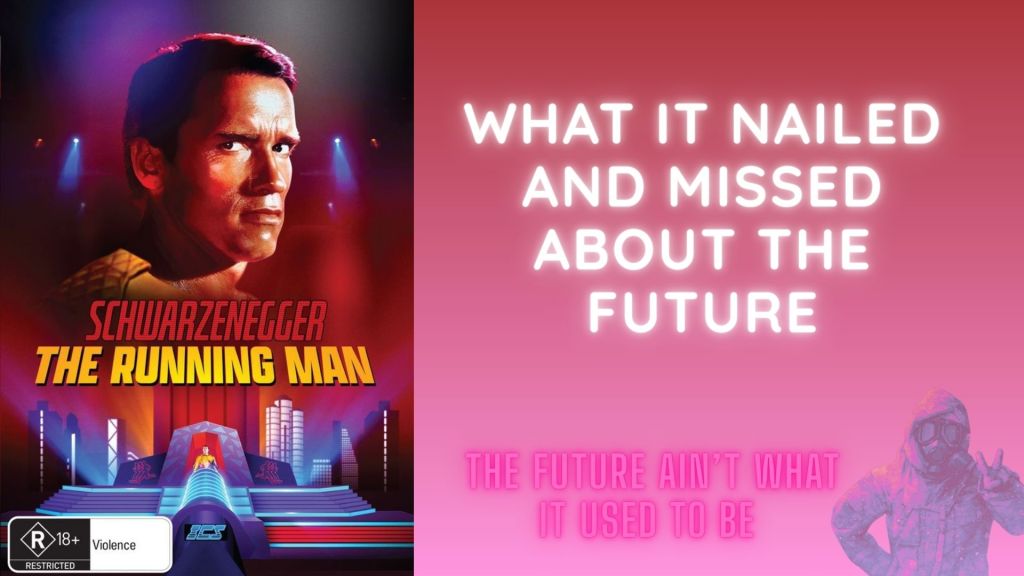
Welcome to The Future Ain’t What It Used to Be — a series where we revisit 80s action movies that tried to predict the world of tomorrow… and see how accurate they were.
Not the flying cars.
Not the rail guns.
But the big stuff — power, media, culture, politics.
Each blog, I’ll break down what these films got eerily right… and where they completely missed the mark.
Prefer to watch instead of read? I’ve turned this post into a vlog — check it out on YouTube: Ep1 The Running Man
The Running Man (1987)
The Running Man is peak 80s dystopian sci-fi — neon lights, action on steroids, and satire as sharp as Sub-Zero’s ice hockey stick.
Set in the ‘future’ of 2017, it follows Arnold Schwarzenegger as Ben Richards, a pilot framed for a massacre he refused to commit — and forced to fight for his life on the government’s most popular game show.
Yes. A game show where losing means death.
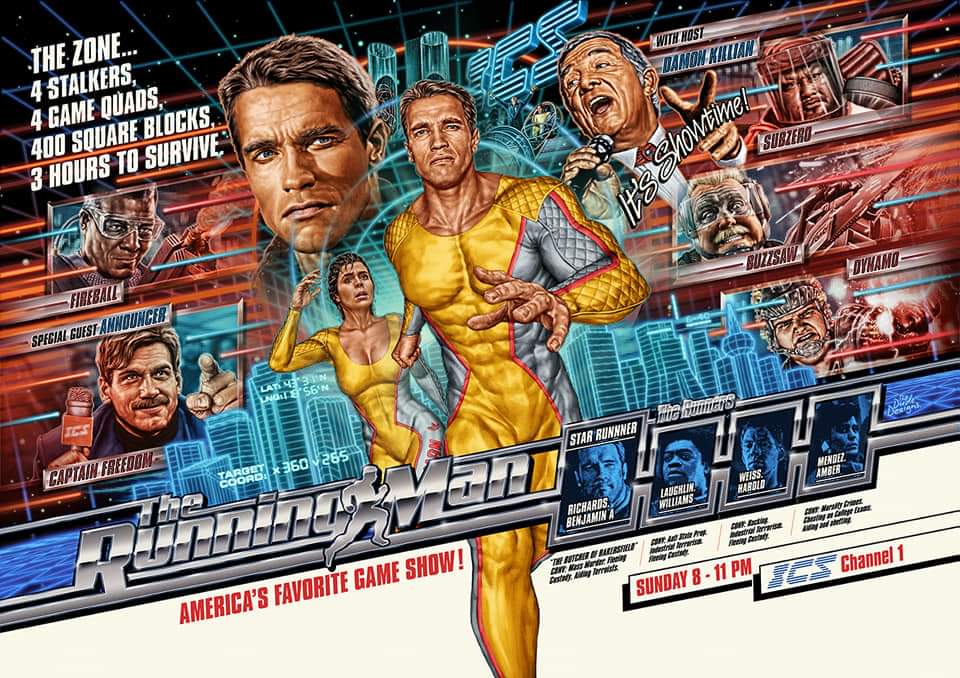
In this video, we’re breaking down what The Running Man predicted with eerie accuracy — and where its vision of the future completely missed the mark.
Plot Recap
After escaping from a labour prison, Richards is captured and forced to become a contestant on the government’s number one television program: The Running Man. The show is a brutal gladiator spectacle where convicted runners must fight for their lives against larger-than-life, heavily-armed assassins known as Stalkers:
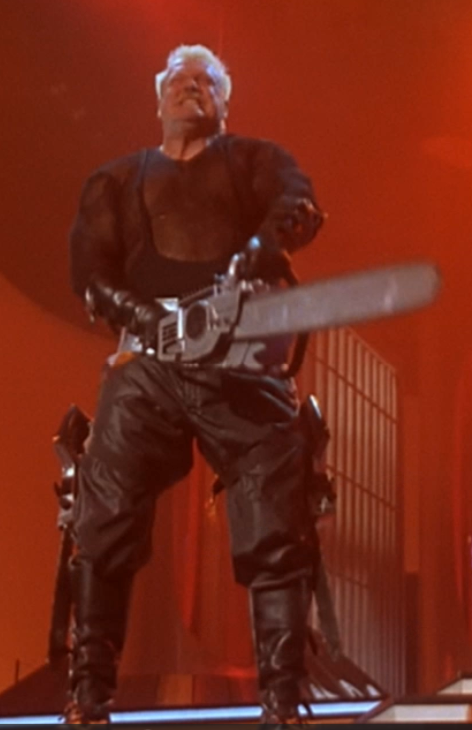
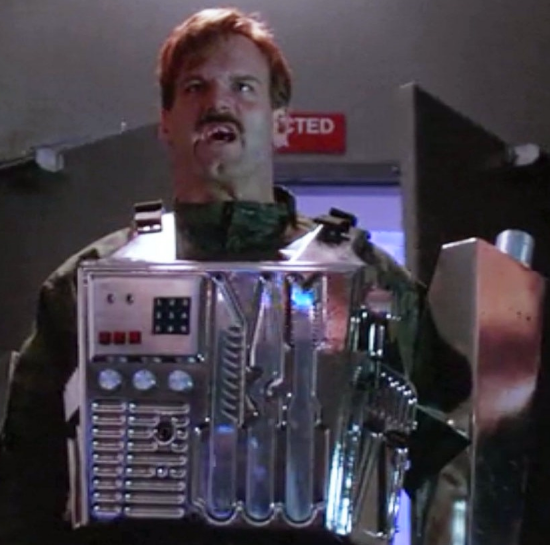
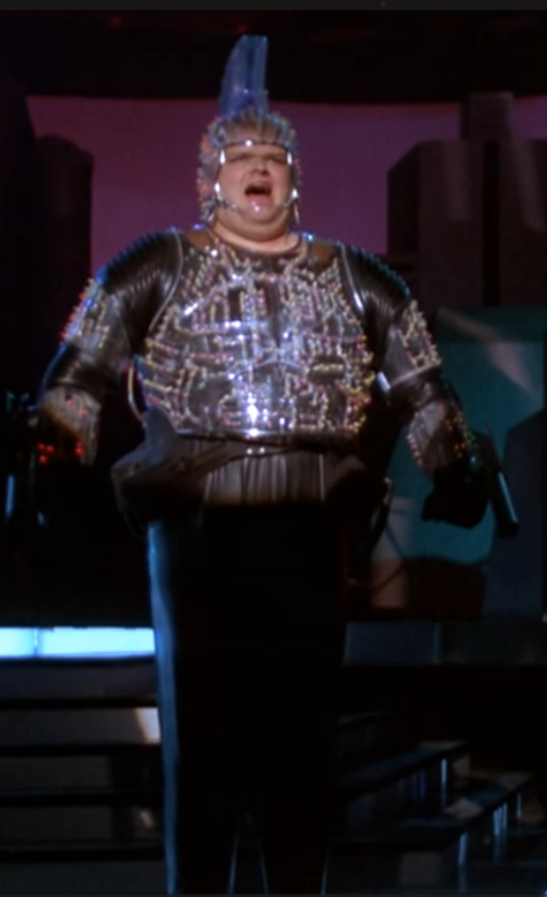
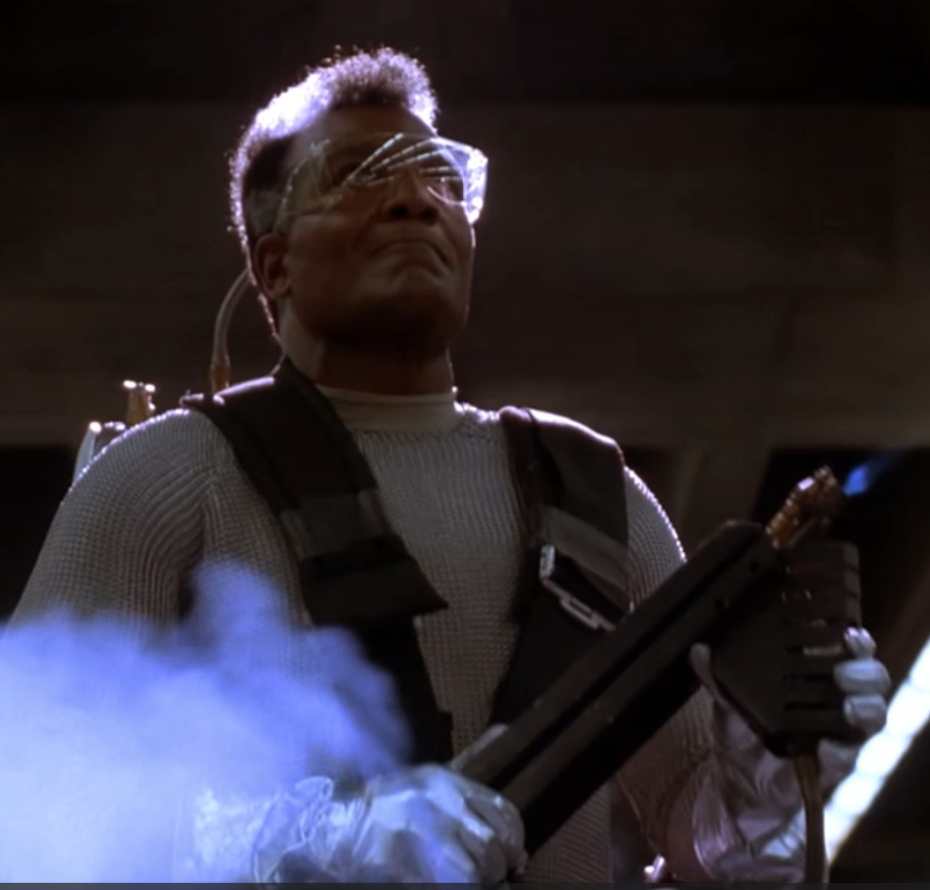
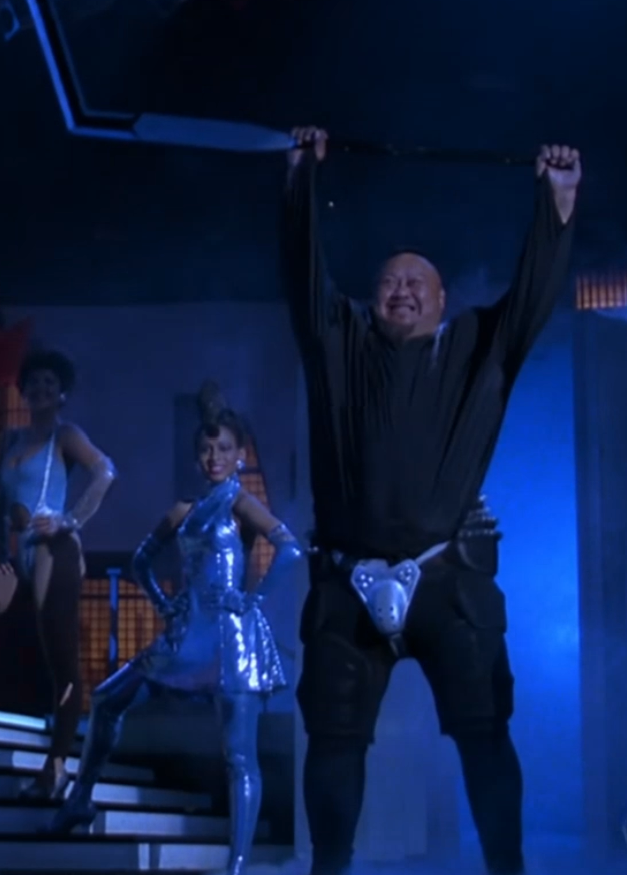
The charismatic but utterly ruthless host, Damon Killian—played with perfect sleaze by real-life game show host Richard Dawson—promises the winners a full pardon.
While it delivers all the classic Arnold hallmarks—massive muscles, impossible odds, and unforgettable one-liners (“Here is Subzero. Now… plain zero.”)—the film’s legacy is far stranger, with elements of its satire becoming our reality.
What The Running Man Got Right
✓ Entertainment as Political Pacification
What The Running Man got eerily right is entertainment as political pacification.
In the film’s version of 2019, society doesn’t rebel — not because it’s unaware of oppression — but because it’s emotionally invested elsewhere.
People are glued to a gladiatorial game show. They treat it as the primary cultural event of their lives — a shared ritual and a source of identity and belonging.
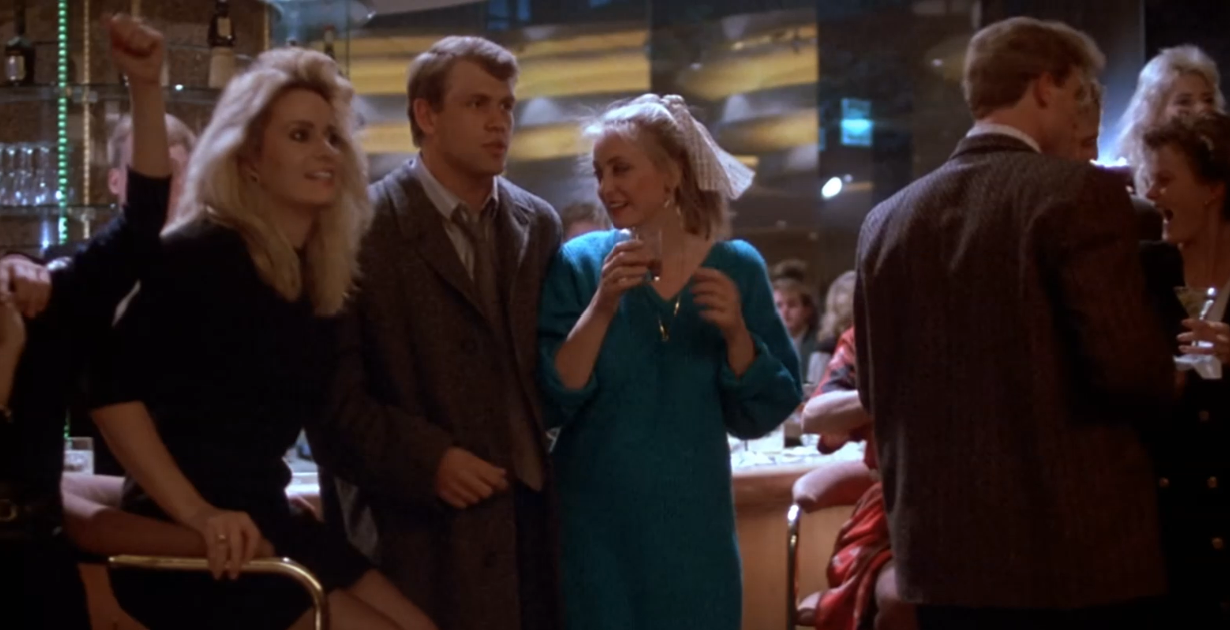
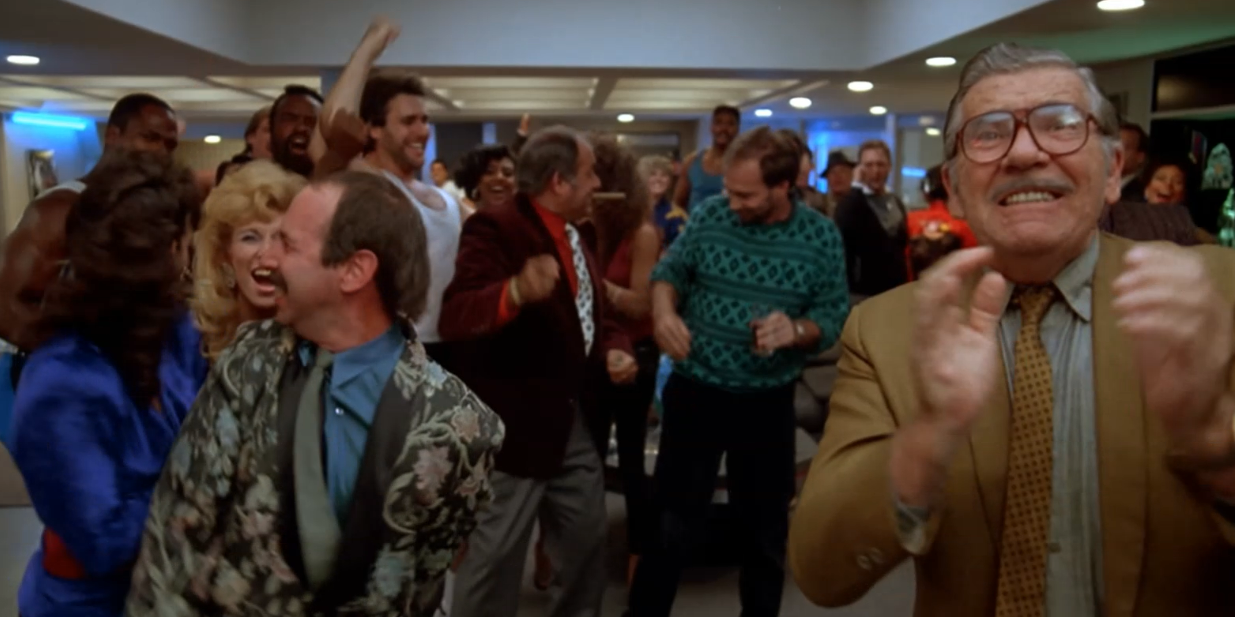
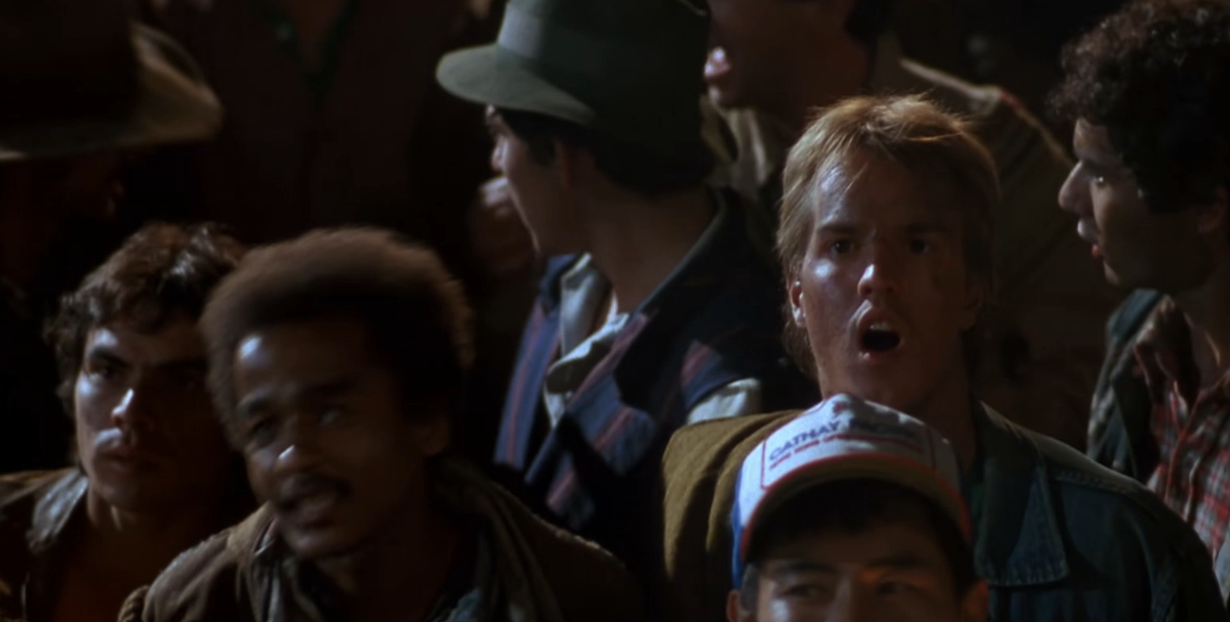
The film is tapping into an ancient dynamic. The idea that power doesn’t always silence dissent through force. Sometimes it neutralises it through spectacle.
This isn’t just cinematic exaggeration. There’s historical precedent.
In the late Roman Republic, inequality was rising. Political instability was increasing and civic life was strained. In response, Roman elites expanded public distributions of grain and massively funded spectacles — gladiatorial contests and chariot races.
The Roman satirist Juvenal famously criticised this dynamic with the phrase panem et circenses — “bread and circuses.” His argument wasn’t that entertainment destroyed Rome, but that citizens were being politically pacified by having their basic needs met and their emotional appetites constantly stimulated.
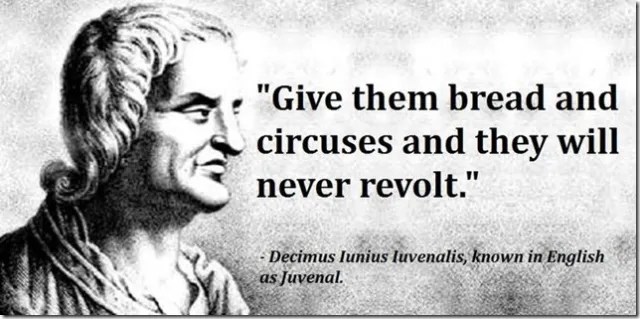
In both cases of Rome and The Running Man, civic frustration was redirected into ritualised spectacle.
Fast forward to today. We don’t separate news, politics, celebrity culture, and reality television anymore. They collapse into one continuous performance economy.
Outrage equals attention. Attention equals profit. Profit equals power.
Social media platforms and 24/7 news cycles are engineered around emotional arousal — because strong emotion keeps people watching, scrolling, and reacting. You don’t just consume content. You feel it.
And this is where The Running Man feels uncomfortably prophetic.
In the film, the public is emotionally invested, cheering, outraged, captivated — and distracted all at once.
That’s not dystopian fantasy. That’s the attention economy.
But what happens when politics is overcome by the same dynamic? Well, it becomes a performance too.
In many Western liberal democracies, political discourse increasingly resembles media spectacle. Politicians are evaluated by performance. Viral moments outweigh legislative detail.

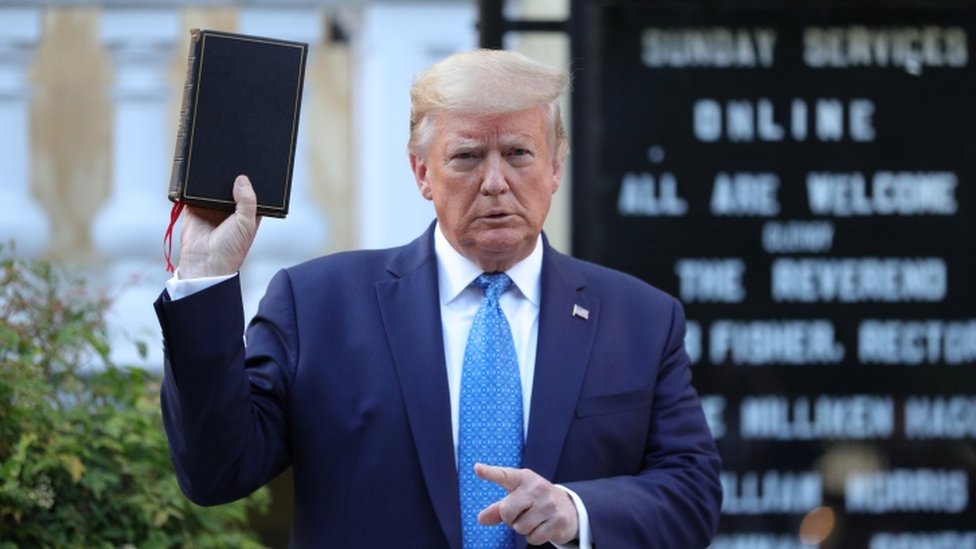


Think about the game show host in The Running Man — slick, charming, and adored. His authority comes from popularity, not morality.
That dynamic feel familiar?
When charisma equals credibility and politics becomes theatre, institutions don’t necessarily collapse overnight. They erode gradually. Checks and balances weaken not because they’re formally dismantled (although sometimes they are), but because attention shifts away from them. Good governance becomes background noise.
So, here’s the crucial point. Entertainment doesn’t cause authoritarianism.
But when political life is saturated by spectacle:
- Serious critique becomes less appealing.
- Simplified narratives dominate complex truths.
In that environment, populist figures who master spectacle gain disproportionate influence. Media ecosystems that reward outrage can divide communities and even nations. Citizens become emotionally exhausted but perpetually stimulated.

In this world… in our world dissent doesn’t always need to be crushed. Sometimes it just needs to be outcompeted.
This matters because the The Running Man wasn’t about future technology.
It understood something about human psychology and power.
It understood that when spectacle becomes the dominant language of our lives, society can drift to authoritarianism — not because citizens are stupid, but because they’re too emotionally exhausted and distracted to do anything about it.
✓ Narrative Power & Media Manipulation
What The Running Man also got eerily right wasn’t just reality TV.
It was this… whoever controls the narrative controls the public. And once you control the public, you don’t need tanks in the streets.
In The Running Man, the government edits footage to frame Ben Richards as a mass murderer. They fabricate evidence. They broadcast a version of reality that millions accept without question.
The public cheers his execution — because they’ve been shown a story that makes it feel justified.
The regime controls the network. The network controls the narrative. The narrative controls the masses. It’s blunt. It’s exaggerated. But the underlying insight is uncomfortably accurate.
Shift to today. Now, we don’t live in a one-network dystopia. This is where the Running Man missed the mark, but I’ll expand on this in the next section. We live in a hyper-networked ecosystem made up of 24/7 news, social media, influencers, political commentators.
Control doesn’t emanate from one authoritarian broadcast tower.
Instead, it’s about how things are framed, and who has the power to construct the frame and get it out the quickest.
In cases like the murders of Alex Pretti and Renee Good, government representatives quickly launched into a scripted response because the first framing often sets the emotional tone. And once that tone spreads, it’s hard to reverse.
Today, we don’t usually see fabricated state broadcasts. Instead, we see competitive framing. Outrage spreads faster than nuance. Corrections rarely travel as far as first impressions.
And here’s where this matters politically.
Authoritarianism in modern liberal democracies rarely arrives as obvious dictatorship.
It drifts.
It grows in environments where:
- Shared reality fragments
- Trust collapses
- Emotional narratives overpower deliberation
When citizens cannot agree on basic facts — democratic institutions weaken. Not because dissent is banned. But because consensus becomes impossible.
What The Running Man Got Wrong
x The “One Big Evil Network” Fantasy
The film imagines a single, centralized media machine shaping public perception — one broadcaster, one narrative, one control room.
Reality is messier. Modern media isn’t unified. It’s personalized and networked.
Algorithms don’t push one message to everyone. They feed each user more of what they already engage with. You and your neighbour can live on the same street — and inhabit completely different informational realities.
That’s not centralized propaganda. That’s algorithmic siloing.
During the 2016 U.S. election, fake accounts didn’t amplify a single message — they inflamed multiple sides. State and non-state actors seeded content through influencers, meme pages, and bot networks. Often with a grassroots aesthetic that masks the coordination behind the scenes.
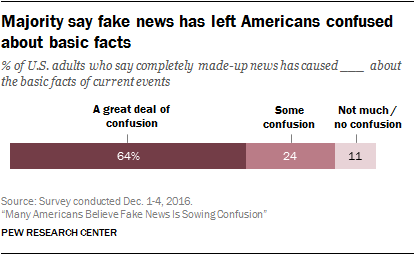
It wasn’t one voice. It was a swarm.
x The Biggest Miss: We’re a Part of It
One of the biggest things the film got wrong was the assumption that citizens are passive consumers.
We aren’t. We:
- Share unverified claims
- Remix clips
- Create commentary channels
- Produce memes
Misinformation isn’t always imposed from above. It’s socially reproduced. There’s no single evil network. There’s a participatory information ecosystem.

And in some ways, that’s harder to resist — because there’s no single control room to overthrow.
Verdict
It might not be high art, but The Running Man is a wildly entertaining time capsule. It’s a movie that perfectly captures the excess of the 1980s while somehow holding up a mirror to the 2020s. It’s cheesy, it’s violent, and it’s packed with one-liners
So how did the film go in predicting the future?
It was prophetic about power. It understood that spectacle can pacify civic frustration by redirecting emotional energy into entertainment, and that politics, when absorbed into the same performance economy, becomes theatre rather than governance.
It recognised that authority increasingly flows from popularity. That outrage outcompetes nuance, and that whoever frames the narrative first often shapes public reality. In a world saturated by spectacle, dissent doesn’t always need to be crushed — it can simply be distracted, reframed, or emotionally outpaced. That psychological insight — not the sci-fi — is the film’s most unsettling prediction.
Where The Running Man miscalculated was in imagining control as centralized. Instead of one “evil network,” we inhabit algorithmic silos where personalized feeds create parallel realities, and influence spreads not from a single tower but through swarms of influencers, bots, meme pages, and ordinary users. Most significantly, the film assumed the public merely consumes propaganda. In truth, we help reproduce and circulate it — which makes it harder to detect, harder to challenge, and far more resilient than the movie ever imagined.
The danger isn’t universal brainwashing. It’s the erosion of shared reality.
Enough fragmentation to stall collective action
Enough distrust to weaken institutions
Enough polarisation to keep groups fighting each other
So… in terms of The Running Man’s ability to predict the future, I’m giving it 2 out of 4 yellow jump suits.

 The Cultural Nomad
Leave a comment