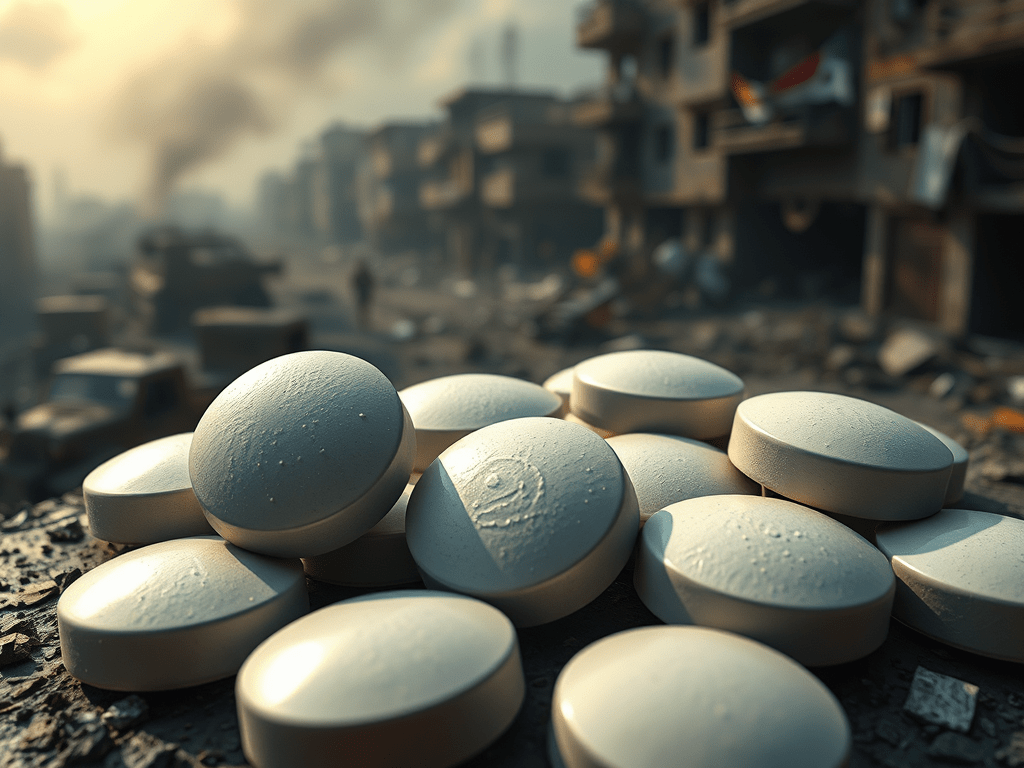
Dear fellow cultural nomads. There have been several critical storylines since the collapse of Bashar al-Assad’s regime in Syria, including:
- the potential end of Russian and Iranian influence on Syria
- Israel’s bombing and occupation of Syrian territory
- the freeing of Syrian political detainees
- the origins of Ahmed al-Sharaa (AKA al-Julani), Hayat Tahrir al-Sham’s (HTS) commander.
Syria’s role in the production and distribution of Captagon is one storyline receiving minimal focus. Captagon is a psychoactive and highly addictive synthetic drug made with amphetamines.
To appreciate the scale of the Captagon market, a UK government statement said 80% of the world’s Captagon is produced in Syria and is “worth approximately 3 times the combined trade of the Mexican cartels”. (Foreign, Commonwealth & Development Office, 2023)
WTF! THREE TIMES THE COMBINED TRADE OF THE MEXICAN CARTELS!!!
Well, fellow cultural nomads, staying true to our goal of exploring conceptual roads less, we’ll dive right in. As always, please share your perspectives to increase our understanding of this issue.
History of Captagon
Captagon was the brand name for a psychoactive medication developed in the 1960s by the German company Degussa Pharma Gruppe. It was primarily prescribed to treat attention deficit disorder (ADD) and narcolepsy. The tablets contained fenethylline, a synthetic drug from the phenethylamine class, which includes substances like amphetamine. (Al Jazeera, 2024)

Health authorities became concerned by the long-term consequences of Captagon. These consequences included depression, sleep deprivation, heart and blood diseases, and malnutrition. In 1986, fenethylline was classified as a Schedule II substance under the United Nations Convention on Psychotropic Substances of 1971, leading most countries to cease its use. By 2009, all countries had allegedly stopped producing fenethylline.
Following this, counterfeit Captagon tablets were produced in Bulgaria from the 1990s to the early 2000s. Criminal networks from the Balkans and Turkey trafficked these counterfeit drugs to the Arabian Peninsula.
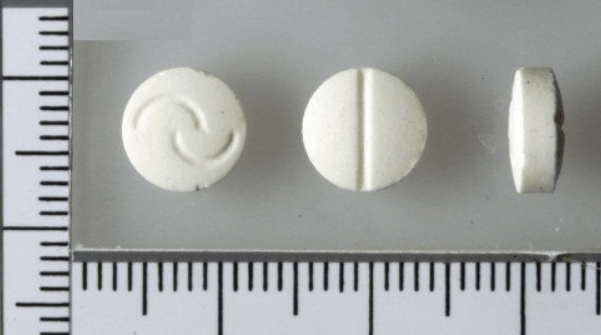
The growing trade in counterfeit Captagon prompted Turkish and Bulgarian authorities to take action. These measures included shutting down 18 large-scale amphetamine production laboratories, leading to a significant reduction in the trade of Captagon from the Balkans. (Al Jazeera, 2024)
Syrian Civil War
The Syrian civil war began in March 2011. Widespread protests against President Bashar al-Assad’s rule, inspired by the Arab Spring, sparked large-scale demonstrations across Syria. In response, the government launched a brutal crackdown, leading to the formation of armed rebel groups like the Free Syrian Army. By mid-2012, the conflict had escalated into a full-scale civil war.

The civil war and international isolation destroyed Syria’s economy. While President Bashar al-Assad denied involvement in the Captagon trade, commentators believe production and smuggling of the drug provided an economic lifeline for the regime.
According to the New Lines Institute (which claims to be a nonpartisan think tank based in Washington):
“Millions of pills continue to flood overland and maritime ports across the Middle East, southern Europe, and even as far as East Asia, pointing to growing production capacity, sophisticated smuggling tactics, and emerging demand markets. There is also growing evidence that actors aligned with the Syrian government, such as Hezbollah, Iran-backed militias, and others, have participated in the production and smuggling of the drug.”
Impact of Captagon on Middle Eastern and Gulf Societies
Although data on Captagon use remains limited, it’s believed to have become the drug of choice among youth in Gulf and Arab states, particularly in Saudi Arabia. It is often used by students preparing for exams and recreational purposes. It’s also possible others may have turned to the drug as a means of coping with the stress of unemployment.
Youth Unemployment Rates 2023 (%): Sample of Gulf & Arab States
| Saudi Arabia | 16.25 | Jordan | 40.8 |
| Kuwait | 14.99 | Iraq | 32.23 |
| UAE | 10.65 | Lebanon | 23.75 |
| Qatar | 0.6 | Egypt | 18.99 |
An article by the Arab Centre Washington quotes one user describing the effect of Captagon as feeling like “I own the world.” Another said, “There was no fear anymore after I took Captagon.”
Al-Rashid Hospital in Amman, Jordan has become the primary centre for treating Captagon addiction among Jordanians and individuals from other Gulf nations. As one Jordanian Army official stated, “Drugs are destroying our families, morals, and values.” (Arab Centre Washington, 2022)
In response, Gulf and Arab nations made efforts to disrupt the trafficking of Captagon. In February 2022, Jordan’s military reported killing 30 smugglers since the beginning of the year and intercepting 16 million Captagon pills attempting to cross the border from Syria.
In late August 2022, Saudi authorities made their largest-ever seizure. They uncovered 46 million amphetamine pills hidden in a shipment of flour. A spokesperson for the Saudi General Directorate of Narcotics Control described it as the “biggest operation of its kind to smuggle this amount of narcotics into Saudi Arabia in one operation.” (Gritten, 2022)
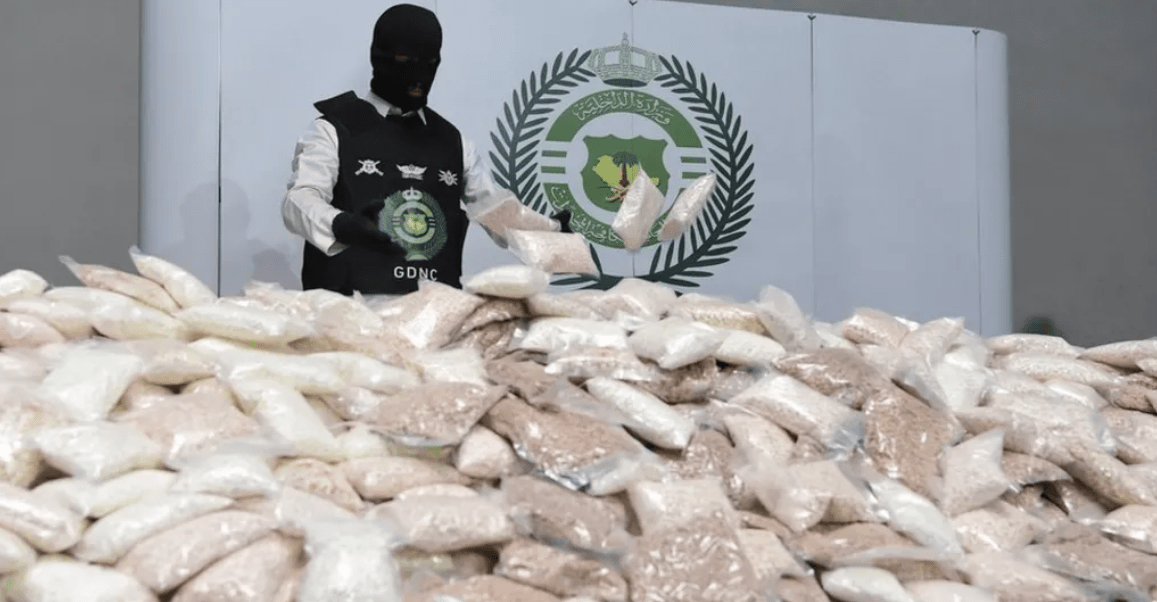
But despite such significant busts, they did little to weaken the multibillion-dollar illegal Captagon trade.
Assad’s Leverage to re-enter the Arab League
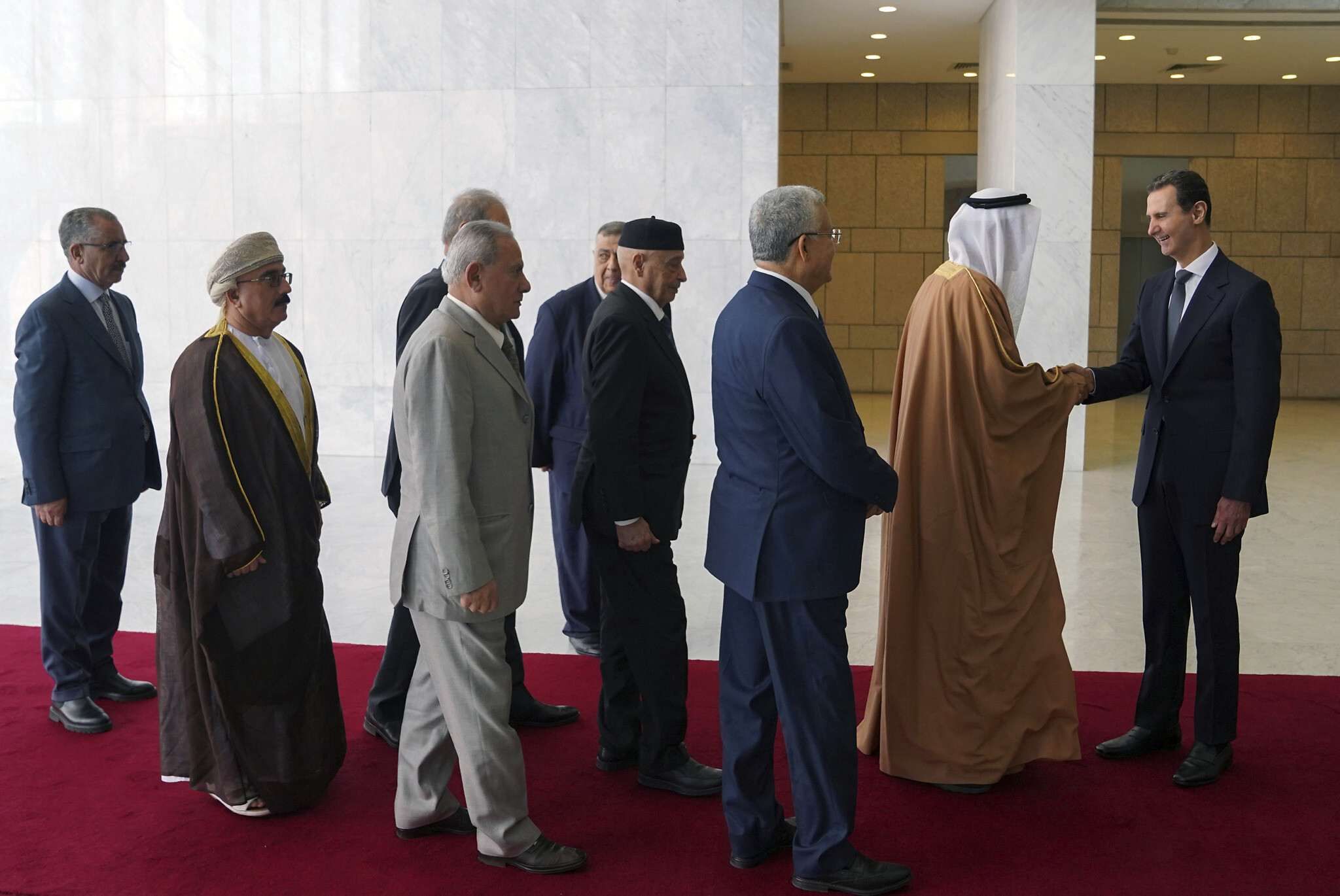
The impact of Captagon on Arab societies became so concerning that it played a key role in Syria’s reintegration into the Arab League. During a meeting of Arab foreign ministers in Amman on May 1, 2023, Syria agreed to cooperate with Jordan and Iraq to track the sources of drug production and smuggling. Following this agreement, the 22-member Arab League voted to allow Syria’s return at a meeting in Cairo.
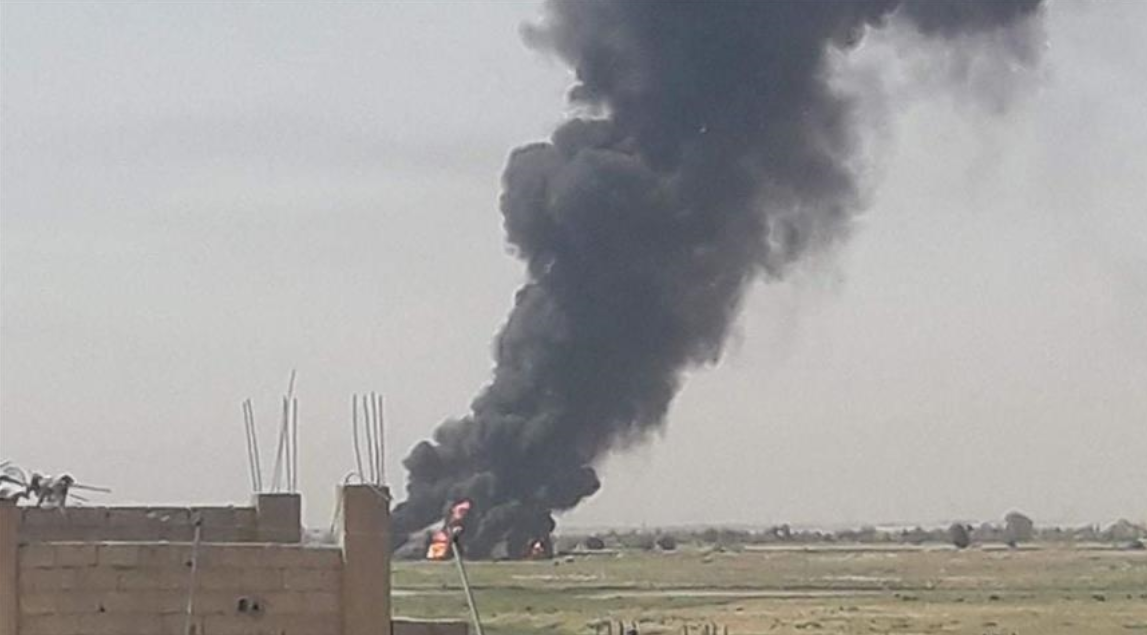
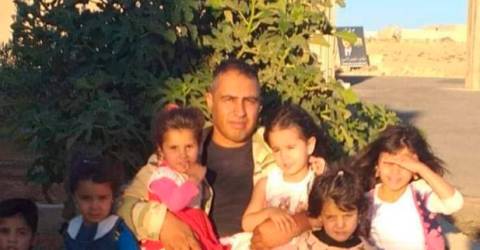
The very next day, Marai al-Ramthan, a suspected Syrian drug smuggler, and his family were killed in an airstrike in southern Syria, reportedly carried out by Jordan. Al-Ramthan was described by the UK-based Syrian Observatory for Human Rights (SOHR) as “the most prominent drug trafficker in the region” and the leading smuggler of drugs, including Captagon, into Jordan.
What Now?
The immediate impact of the regime’s collapse on the Captagon trade is unknown. However, Ahmed al-Sharaa, HTS’s commander, accused the former regime of turning Syria into “the world’s leading source of Captagon,” promising to eradicate Captagon manufacture and trade.

We’ll see…
References
Al Jazera (2024, December 12). What is Captagon, the addictive drug mass-produced in al-Assad’s Syria? https://www.aljazeera.com/news/2023/5/9/what-is-captagon-the-addictive-drug-mass-produced-in-syria
Foreign, Commonwealth & Development Office and Lord (Tariq) Ahmad of Wimbledon KCMG. (2023, March 28). Tackling the illicit drug trade fuelling Assad’s war machine [Press release]. https://www.gov.uk/government/news/tackling-the-illicit-drug-trade-fuelling-assads-war-machine
Gritten, D. (2022, September 1). Saudi Arabia seizes record 46 million amphetamine pills hidden in flour. BBC News. https://www.bbc.com/news/world-middle-east-62736126
New Lines Institute (2024, May 30). The Captagon Trade from 2015 to 2023. https://newlinesinstitute.org/state-resilience-fragility/from-2015-2023-the-captagon-trades-trends-trajectory-and-policy-implications/
 The Cultural Nomad
Leave a comment